
Transforming Leadership Through Strategic Development Programs

Leadership is a critical factor in the success of any organization. However, effective leadership does not happen by chance. It requires intentional efforts, continuous learning, and well-designed development programs. Transforming leadership through leader development strategies is essential for building resilient, adaptive, and visionary leaders who can navigate complex business environments. This blog post explores how strategic development programs can shape the future of leadership, offering practical insights and actionable recommendations.
The Importance of Leader Development Strategies
Leader development strategies are structured approaches to enhancing the skills, knowledge, and behaviors of current and future leaders. These strategies focus on cultivating leadership capabilities that align with organizational goals and culture. Investing in leader development is not just about improving individual performance; it is about creating a leadership pipeline that sustains long-term success.
Organizations that prioritize leader development strategies often see benefits such as:
Increased employee engagement and retention
Enhanced decision-making and problem-solving skills
Greater innovation and adaptability
Stronger alignment between leadership and organizational vision
For example, a company might implement a mentorship program where emerging leaders are paired with experienced executives. This hands-on learning experience helps mentees gain practical insights and build confidence. Another approach could be leadership workshops focused on emotional intelligence, enabling leaders to manage teams more effectively.

Effective Leader Development Strategies to Implement
Implementing effective leader development strategies requires a clear understanding of organizational needs and individual potential. Here are some proven strategies that organizations can adopt:
Customized Training Programs
Tailor training sessions to address specific leadership competencies such as communication, conflict resolution, and strategic thinking. Use real-world scenarios to make learning relevant.
Coaching and Mentoring
Provide one-on-one coaching to help leaders identify strengths and areas for improvement. Mentoring relationships foster knowledge transfer and career growth.
360-Degree Feedback
Use feedback from peers, subordinates, and supervisors to give leaders a comprehensive view of their performance. This feedback helps in setting targeted development goals.
Job Rotation and Stretch Assignments
Expose leaders to different roles and challenges within the organization. This broadens their experience and prepares them for higher responsibilities.
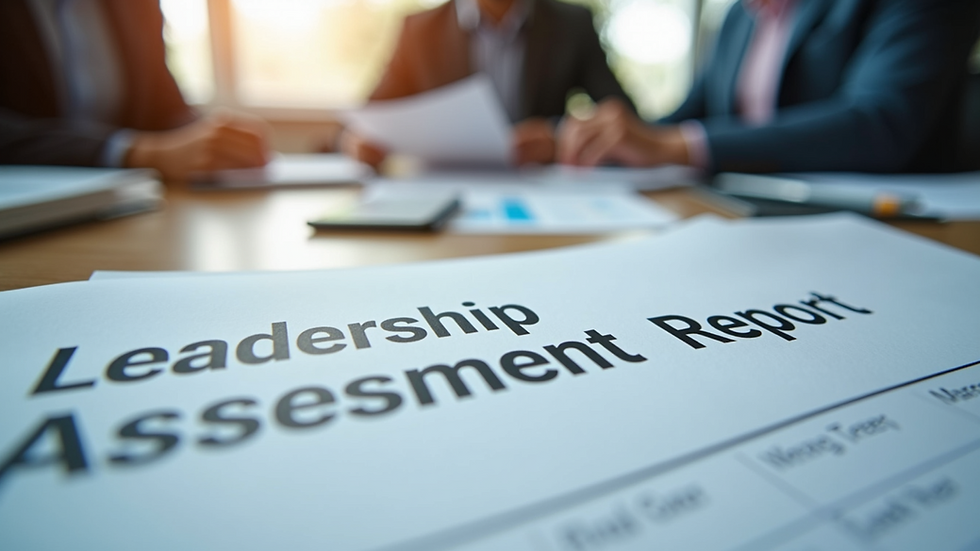
Leadership Assessments
Utilize tools like personality tests and leadership style inventories to understand individual traits and tailor development plans accordingly.
Continuous Learning Culture
Encourage leaders to pursue ongoing education through workshops, seminars, and online courses. Promote a mindset of lifelong learning.
By integrating these strategies, organizations can create a robust framework that supports leadership growth at all levels.
What are the 5 P's of strategic leadership?
Understanding the 5 P's of strategic leadership is fundamental to designing effective leader development programs. These elements provide a framework for leaders to think and act strategically:
Purpose
Leaders must have a clear sense of purpose that aligns with the organization's mission and values. Purpose drives motivation and decision-making.
Perspective
Strategic leaders maintain a broad view of the business environment, considering internal and external factors that impact the organization.
Position
Knowing the organization's position in the market helps leaders make informed choices about resource allocation and competitive strategies.
Plan
Developing and executing well-thought-out plans ensures that the organization moves toward its goals efficiently.
Patterns
Recognizing patterns in data, behavior, and market trends allows leaders to anticipate changes and adapt proactively.
Incorporating these 5 P's into leader development strategies equips leaders with the mindset and tools needed for effective strategic leadership.
Integrating Strategic Leadership Development into Programs
One of the most impactful ways to transform leadership is by embedding strategic leadership development into existing training and development initiatives. This approach ensures that leaders are not only managing day-to-day operations but also thinking ahead to future challenges and opportunities.
To integrate strategic leadership development effectively:
Align Programs with Business Strategy
Ensure that leadership development initiatives support the organization's strategic objectives. This alignment creates relevance and urgency.
Use Real Business Challenges
Incorporate case studies and projects based on actual organizational issues. This hands-on experience enhances problem-solving skills.
Foster Collaboration and Networking
Encourage leaders to share insights and learn from each other. Peer learning builds a supportive leadership community.
Measure Impact
Track progress through key performance indicators such as leadership effectiveness, employee satisfaction, and business outcomes.
Leverage Technology
Use digital platforms for training delivery, assessments, and feedback to increase accessibility and engagement.
By focusing on these areas, organizations can create dynamic leader development programs that produce strategic thinkers and effective decision-makers.

Building a Culture that Supports Leadership Growth
Sustainable leadership transformation requires more than just programs - it demands a culture that values and supports continuous leadership growth. Here are some ways to foster such a culture:
Encourage Open Communication
Create an environment where leaders feel safe to share ideas, challenges, and feedback.
Recognize and Reward Development Efforts
Celebrate milestones and achievements in leadership growth to motivate ongoing learning.
Promote Accountability
Hold leaders responsible for their development goals and leadership behaviors.
Support Work-Life Balance
Recognize that well-being impacts leadership effectiveness and provide resources to support it.
Lead by Example
Senior leaders should model the behaviors and attitudes expected from emerging leaders.
When leadership development is embedded in the organizational culture, it becomes a natural part of daily operations, driving continuous improvement and innovation.
Next Steps for Organizations Ready to Transform Leadership
Organizations seeking to transform their leadership through leader development strategies should start by assessing their current leadership capabilities and gaps. This assessment can guide the design of targeted development programs that address specific needs.
Key actions include:
Conducting leadership competency assessments
Engaging stakeholders in defining leadership expectations
Selecting or designing development programs aligned with strategic goals
Establishing metrics to evaluate program effectiveness
Committing resources and leadership support for ongoing development
By taking these steps, organizations position themselves to build a strong leadership bench that can navigate future challenges and seize new opportunities.
Transforming leadership is a journey that requires commitment, strategy, and continuous effort. By implementing well-designed leader development strategies and fostering a supportive culture, organizations can cultivate leaders who inspire, innovate, and drive success.


Comments